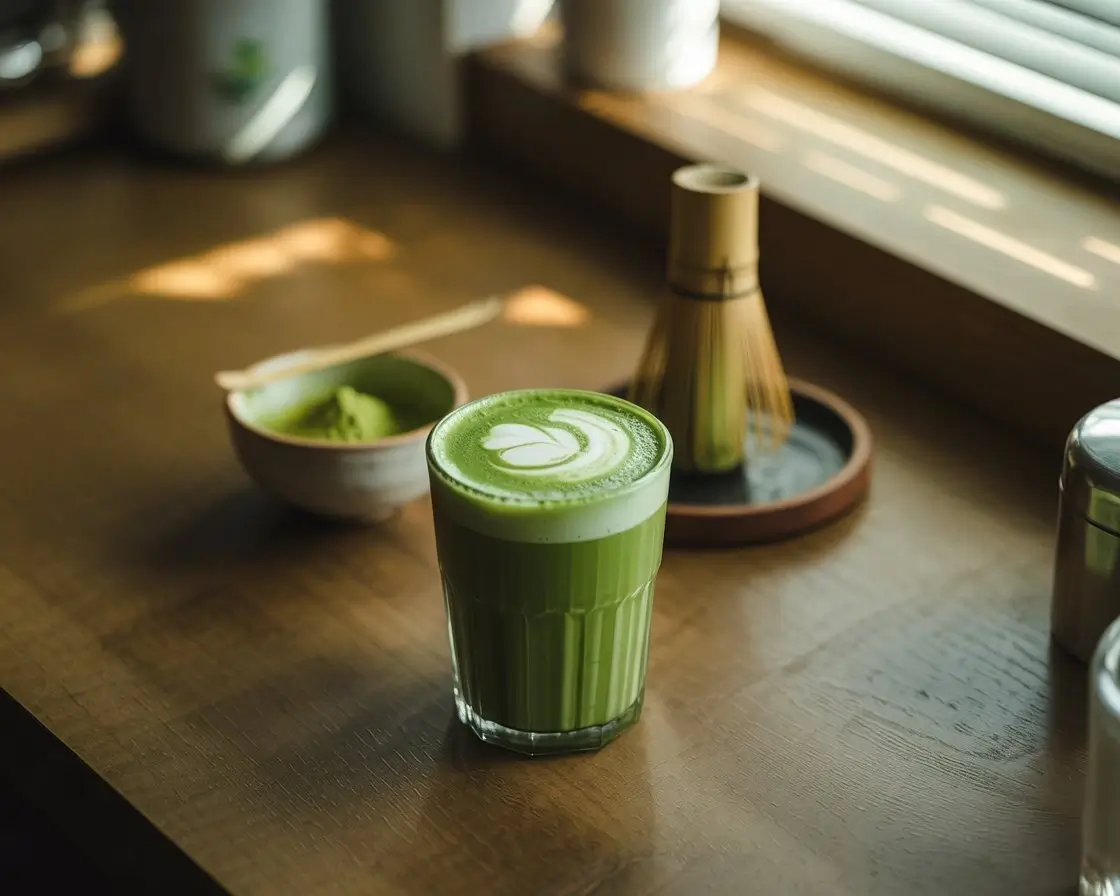
Are you craving a refreshing, health-boosting elixir that tantalizes your taste buds and energizes your mind without the dreaded coffee jitters? Look no further than the captivating matcha latte. This vibrant green beverage has taken the world by storm, offering a sophisticated and nourishing alternative to your usual coffee shop order. Whether you're a seasoned matcha devotee or new to the trend, mastering the art of the perfect matcha latte is a skill worth acquiring, and surprisingly simple to achieve in your own kitchen.
Imagine a creamy, frothy delight, rich in antioxidants and offering a serene focus. That's the magic of a homemade matcha latte. In this comprehensive guide, we'll explore the essence of matcha, delve into its incredible benefits, and walk you through the easy step-by-step process of creating your own matcha masterpiece at home. Get ready to elevate your daily ritual!
Understanding Matcha: The Heart of Your Latte
Before we dive into the brewing process, let's truly appreciate the star ingredient: matcha green tea. Unlike regular green tea, where leaves are steeped and then discarded, matcha is a finely ground powder made from the entire tea leaf. This unique preparation method means that when you enjoy a matcha latte, you're consuming the whole leaf and thereby reaping all of its incredible nutritional benefits.
Originating from Japan, matcha leaves are shade-grown for several weeks before harvest. This process boosts chlorophyll production, giving matcha its distinctive vibrant green color and contributing to its detoxifying properties, which can help flush out toxins and heavy metals from the body. Beyond its striking appearance, matcha is a powerhouse of essential vitamins, minerals, and amino acids.
One of the most remarkable compounds in matcha is L-theanine, an amino acid that works in synergy with the natural caffeine present in the tea. This combination provides a sustained, focused energy boost without the typical jitters or crash often associated with coffee. For those looking to Ditch Coffee Jitters: How Matcha Latte Delivers Focused Energy & Calm, matcha is an ideal choice.
But the real showstopper is matcha's impressive antioxidant content, particularly the potent catechin known as EGCG (epigallocatechin gallate). These powerful compounds are tireless warriors, neutralizing harmful free radicals, reducing oxidative stress, and fighting inflammation throughout the body. It’s no wonder matcha is often hailed as a superfood. To dive deeper into its profound impact on well-being, explore Unlock 12 Amazing Health Benefits: Why Matcha Lattes Are a Superfood Powerhouse.
When this nutrient-dense matcha powder is combined with the protein and creaminess of milk, the result is a matcha latte that not only satisfies your taste buds but also nourishes your body from the inside out.
Essential Ingredients and Tools for Your Matcha Latte
Crafting a delicious matcha latte at home is much simpler than you might think, requiring just a few key ingredients and basic tools. The quality of your components will significantly impact the final taste and texture, so choose wisely!
Ingredients:
- High-Quality Matcha Powder: This is non-negotiable for a truly enjoyable experience. Opt for ceremonial grade matcha, preferably from Japan. It has a brighter green color, a smoother, less bitter taste, and is specifically cultivated for drinking. Culinary grade matcha is fine for baking but will result in a more astringent latte.
- Water: Filtered water is best. The temperature is crucial – aim for around 175°F (80°C). Water that’s too hot can burn the matcha, making it bitter.
- Milk of Choice: Dairy or non-dairy, the choice is yours!
- Dairy: Whole milk offers the creamiest texture and richest froth.
- Non-dairy: Oat milk, almond milk, and soy milk are popular choices. Oat milk often froths exceptionally well and provides a lovely creamy mouthfeel that complements matcha beautifully.
- Sweetener (Optional): Customize to your preference.
- Honey
- Maple syrup
- Agave nectar
- Stevia or other sugar substitutes
- Simple syrup
Tools:
- Matcha Sifter: A fine-mesh sieve is crucial for sifting matcha powder to prevent clumps and ensure a smooth, lump-free latte. Don't skip this step!
- Matcha Bowl (Chawan): While not strictly necessary, a wide bowl makes whisking much easier and more effective. A regular mug will also work.
- Bamboo Whisk (Chasen): The traditional tool for whisking matcha, a chasen creates a delicate foam and thoroughly mixes the powder. If you don't have one, a small electric milk frother or a regular kitchen whisk can be used, though results may vary.
- Milk Frother/Steamer: For a café-style latte, you'll want frothy milk. An espresso machine's steam wand, a handheld electric frother, or even a French press can be used to achieve this.
- Measuring Spoons and Cups: For accuracy.
Mastering Your Matcha Latte: The Step-by-Step Guide
Now, let's get to the exciting part – bringing all these elements together to create your perfect matcha latte!
Step 1: Prepare Your Matcha
- Measure and Sift: Place 1-2 teaspoons of ceremonial grade matcha powder into your sifter, directly over your matcha bowl or mug. Gently tap the sifter to push the powder through, removing any clumps. This step is vital for a smooth texture.
- Add Hot Water: Heat about 2-3 ounces (60-90ml) of filtered water to approximately 175°F (80°C). If you don't have a thermometer, let boiling water sit for a minute or two before pouring. Add the water to the sifted matcha powder.
- Whisk Thoroughly: Using your bamboo whisk (chasen), whisk the matcha and water vigorously in a "W" or "M" motion, not a circular one. The goal is to dissolve the matcha completely and create a light, airy foam on the surface. Continue whisking for about 30-60 seconds until no lumps remain and a thin layer of foam appears. This creates a concentrated matcha "shot" called usucha.
Step 2: Prepare Your Milk
- Heat Your Milk: Pour about 6-8 ounces (180-240ml) of your chosen milk into a mug or frothing pitcher.
- Steam or Froth:
- Using a Steam Wand: Submerge the wand just below the surface of the milk, tilting the pitcher slightly. Steam until the milk reaches your desired temperature (around 140-150°F / 60-65°C) and volume, creating microfoam. Tap the pitcher on the counter to eliminate large bubbles.
- Using a Handheld Frother: Heat the milk in a microwave or on the stovetop. Then, use the handheld frother to whisk the milk until it's frothy.
- Using a French Press: Heat the milk, then pump the plunger up and down vigorously to create foam.
Step 3: Assemble Your Matcha Latte
- Combine: Gently pour the prepared, frothed milk over your whisked matcha. If you're feeling artistic, you can try some simple latte art!
- Sweeten (Optional): Add your desired amount of sweetener. Stir gently to combine.
- Serve Immediately: Enjoy your delicious, homemade matcha latte while it's warm and frothy!
Tips for Customizing and Enhancing Your Matcha Latte
One of the joys of making your own matcha latte is the freedom to customize it exactly to your liking. Here are some ideas to inspire you:
- Iced Matcha Latte: For a refreshing twist, prepare your matcha shot as described in Step 1. Fill a glass with ice, then add your milk and pour the matcha shot over the top. Stir in your preferred sweetener.
- Flavor Infusions: Experiment with extracts like vanilla or almond, a pinch of cinnamon, or a dash of nutmeg for added depth. A subtle hint of rosewater can also create an intriguing floral note.
- Sweetness Levels: Adjust your sweetener based on your personal preference and the natural bitterness of your matcha. Some prefer it unsweetened to savor the pure, earthy notes of the tea.
- Matcha Grade: While ceremonial grade is recommended for the best flavor, don't be afraid to try different brands and grades to find what suits your palate and budget.
- Seasonal Touches: In autumn, add a touch of pumpkin spice; in summer, blend with fruit for a unique smoothie-latte hybrid.
Troubleshooting Common Matcha Latte Issues:
- Lumpy Matcha: This is usually due to not sifting the matcha or using water that’s too hot, which can cook the powder. Always sift and use water around 175°F (80°C).
- Too Bitter: Again, water temperature is key. Ensure it's not boiling. Also, the quality of your matcha can affect bitterness; ceremonial grade is less prone to it. Consider adding a touch more sweetener.
- Not Frothy Enough: The type of milk matters. Oat milk and whole dairy milk tend to froth best. Ensure your frothing tool is clean and functioning correctly.
Conclusion
Mastering the perfect matcha latte at home is a rewarding journey that brings a touch of café luxury and a wealth of health benefits right into your kitchen. From understanding the unique properties of matcha green tea to learning the simple steps of whisking and frothing, you now have all the tools and knowledge to create this delightful beverage whenever the craving strikes. So, embrace the serene ritual, experiment with flavors, and savor every sip of your beautifully crafted, health-boosting matcha latte. Enjoy your homemade masterpiece!
